

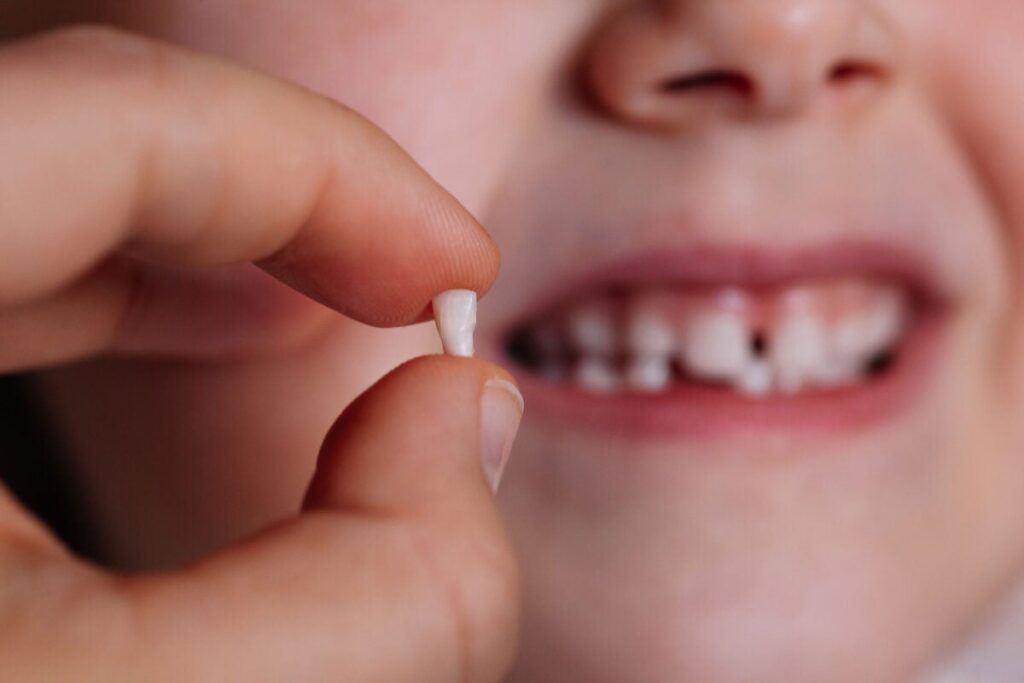
Watching your child experience their first loose tooth is one of those memorable milestones that marks the transition from early childhood into a new stage of growth. For many parents, it brings a mix of excitement, nostalgia, and a few practical questions. What should you do when the tooth starts to wiggle? Is it okay to help it along? What if your child feels discomfort?
At Kid Focus Dentistry, we understand that even small changes in your child’s smile can come with big questions. This guide is designed to walk you through everything you need to know so you can confidently support your child through this important moment while keeping their oral health on track.
When to Expect the First Loose Tooth
Most children begin to lose their baby teeth around the age of six, although it can happen a bit earlier or later depending on the child. This process typically starts with the lower front teeth, followed by the upper front teeth. These are often the first teeth that came in during infancy, so it makes sense they’re the first to go.
The reason behind a loose tooth is a natural and healthy one. As permanent teeth begin to develop beneath the gums, they gradually dissolve the roots of the baby teeth. This causes the baby tooth to loosen and eventually fall out, making room for the adult tooth to come in.
Parents in Wheat Ridge often ask if timing matters. In most cases, slight variations in when a child loses their first tooth are completely normal. However, if your child loses a tooth very early due to injury or decay, or if there’s no sign of loosening by age seven or eight, it may be worth checking in with a Pediatric Dentist in Wheat Ridge for reassurance and evaluation.
What to Do When a Tooth Becomes Loose
Once you notice your child’s tooth starting to wiggle, the most important thing is to let nature take its course. It can be tempting to encourage pulling it out right away, especially if it’s hanging by a thread, but patience is usually the best approach.
Encourage your child to gently wiggle the tooth with clean hands or their tongue. This helps the natural process along without causing unnecessary trauma to the surrounding gum tissue. If the tooth is not quite ready, forcing it out can lead to bleeding, discomfort, or even infection.
If the tooth is extremely loose and your child is eager to have it removed, you can assist very gently using a clean piece of gauze. A light twist or pull may be enough, but only if the tooth is clearly ready to come out. Otherwise, it’s best to wait.
It’s also helpful to reassure your child that loose teeth are a normal part of growing up. Some children feel nervous about the sensation, while others are excited. Meeting them where they are emotionally can make a big difference in how they handle the experience.
Managing Pain or Sensitivity
While losing a baby tooth is usually not painful, some children may experience mild discomfort or sensitivity, especially when chewing. This is typically due to the shifting tooth and the changes happening beneath the gums.
If your child mentions soreness, consider offering softer foods for a few days. Applesauce, yogurt, mashed vegetables, and pasta are gentle options that won’t put pressure on the loose tooth. Avoid hard, crunchy, or sticky foods that could irritate the area or pull on the tooth prematurely.
Cold foods like smoothies or chilled fruit can also provide soothing relief. In most cases, over the counter pain relief is not necessary, but if your child seems particularly uncomfortable, you can consult your dentist for guidance on appropriate options.
It’s important to keep an eye on the area once the tooth falls out. A small amount of bleeding is normal and can be managed by having your child bite down gently on clean gauze. The bleeding should stop within a short period. If it doesn’t, or if your child experiences ongoing pain, it’s a good idea to contact your dental provider.
Keep Up with Oral Hygiene
Even with a loose tooth, maintaining strong oral hygiene habits is essential. Some children may become hesitant to brush around the area because it feels different or slightly uncomfortable, but this is exactly when proper care matters most.
Encourage your child to continue brushing twice a day using a soft bristled toothbrush. They can brush gently around the loose tooth without applying too much pressure. Flossing should also continue, especially for the surrounding teeth, to prevent plaque buildup and maintain healthy gums.
After the tooth falls out, the socket should be kept clean as it heals. Gentle brushing and rinsing with water are usually sufficient. Avoid having your child poke or play with the empty space, as this can introduce bacteria and delay healing.
Building consistency in oral hygiene during this stage sets the tone for future habits, especially as permanent teeth begin to emerge.
Make It a Positive Experience
For many families, a loose tooth is more than just a dental milestone. It’s also a chance to create a fun and memorable experience. Traditions like the tooth fairy can turn what might feel strange or uncomfortable into something exciting and rewarding.
You don’t have to go over the top to make it special. A simple note, a small reward, or even a conversation about how their smile is growing can help your child feel proud and engaged in the process.
Some children may feel anxious about the idea of losing a tooth, especially if it’s their first time. In those cases, focus on reassurance. Let them know that everyone goes through this and that their body knows exactly what to do.
By framing the experience in a positive light, you help your child build confidence and reduce any fear associated with dental changes.
When to See the Dentist
Although most loose teeth follow a normal and predictable pattern, there are times when a visit to the dentist is recommended.
If your child’s tooth becomes loose due to an injury, it’s important to have it evaluated as soon as possible. Trauma can affect not only the baby tooth but also the developing permanent tooth underneath.
You should also seek professional advice if a loose tooth is accompanied by significant pain, swelling, or signs of infection. These are not typical and may indicate an underlying issue that needs attention.
In some cases, a baby tooth may remain in place even as the permanent tooth begins to erupt behind it. This is sometimes referred to as a “shark tooth” situation. While it often resolves on its own, your dentist can determine whether intervention is needed.
Regular dental checkups play a key role during this phase. Your Pediatric Dentist in Wheat Ridge can monitor the transition from baby teeth to permanent teeth and ensure everything is progressing as it should.
Help Your Child Feel Confident
Beyond the physical aspects of losing a tooth, there’s an emotional component that shouldn’t be overlooked. Children are very aware of changes in their appearance, and a missing tooth can feel like a big deal.
Some kids love showing off their new gap, while others may feel self conscious, especially in social settings like school or activities. This is where your encouragement matters most.
Remind your child that losing baby teeth is a sign they’re growing up and that their new smile is on the way. Share stories about your own experiences or those of siblings to normalize the process.
Confidence at this stage often comes from understanding. When children know what’s happening and why, they’re less likely to feel uncertain or anxious.
If your child has questions, answer them honestly in a way they can understand. If you’re unsure about something, your dental team is always a great resource.
Supporting Healthy Smiles in Wheat Ridge
At Kid Focus Dentistry, we believe that every stage of your child’s dental development deserves thoughtful care and guidance. From the first loose tooth to the arrival of permanent teeth, these transitions are important opportunities to reinforce healthy habits and build trust in dental care.
Families in Wheat Ridge can feel confident knowing they have access to a team that understands both the clinical and emotional sides of pediatric dentistry. Whether your child is excited, nervous, or somewhere in between, we’re here to support them every step of the way.
If you have questions about your child’s loose tooth, their oral development, or simply want to ensure everything is on track, scheduling a visit with a Pediatric Dentist in Wheat Ridge is a great next step.