

Parents are often surprised when a child needs more than a simple filling. While many people think dental crowns are only for adults, pediatric crowns are a common and highly effective treatment used to protect and restore children’s teeth. At Kid Focus Dentistry, we help families understand how pediatric dental crowns work and why they can play an important role in protecting a child’s smile, comfort, and long term oral health.
When baby teeth become severely damaged from decay, fractures, or developmental issues, a crown can restore strength and function while preserving the tooth until it naturally falls out. For many children, this treatment prevents discomfort, infection, and more complex dental problems later on.
If you have been told your child may need a dental crown, understanding the process can make the experience much less stressful.
What Are Pediatric Dental Crowns?
One of the most common questions parents ask is: “What Are Pediatric Dental Crowns?”
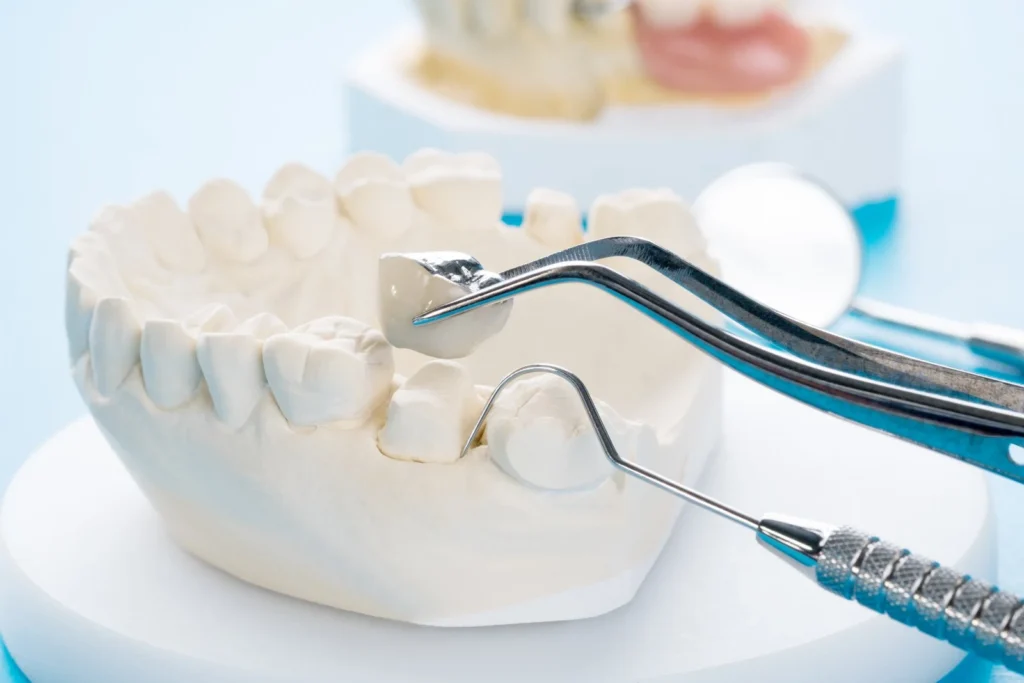
Pediatric dental crowns are tooth shaped restorations that fit over a damaged or weakened tooth. They fully cover the visible portion of the tooth above the gumline and act like a protective shell. Crowns are designed to restore the tooth’s shape, strength, appearance, and ability to function properly.
Unlike fillings, which repair only a small portion of the tooth, crowns protect the entire tooth structure. This makes them ideal for situations where a tooth has extensive damage or is at risk of breaking further.
Children may need crowns on either primary teeth or permanent teeth depending on the situation. In pediatric dentistry, crowns are commonly used after large cavities, dental trauma, or pulp therapy procedures.
At Kid Focus Dentistry, crowns are selected carefully based on the child’s age, the location of the tooth, the level of damage, and esthetic considerations.
The Importance of Pediatric Dental Crowns
The Importance of Pediatric Dental Crowns goes far beyond simply fixing a tooth. Healthy baby teeth play a critical role in a child’s development.
Primary teeth help children chew comfortably, speak clearly, and maintain proper spacing for incoming adult teeth. When a damaged tooth is lost too early, neighboring teeth may drift into the open space, increasing the risk of crowding or orthodontic issues later.
Crowns allow dentists to preserve natural teeth that might otherwise need extraction. This can support healthier oral development and reduce future complications.
Pediatric crowns are especially important because children’s teeth are smaller and more vulnerable than adult teeth. Once decay spreads deeply into the tooth, a simple filling may not provide enough support. A crown strengthens the tooth and protects it from additional damage.
Parents sometimes wonder whether it is worth restoring a baby tooth that will eventually fall out anyway. In many cases, the answer is yes. Losing a primary tooth prematurely can create significant issues with spacing, bite alignment, speech, and chewing function.
Protecting the health of primary teeth often helps create a healthier transition into adulthood.
Extensive Tooth Decay and Damage
One of the leading reasons children need crowns is Extensive Tooth Decay and Damage.
Cavities in children can progress quickly. Because baby teeth have thinner enamel than adult teeth, decay may spread deeper into the tooth much faster. Sometimes, by the time a cavity is discovered, too much tooth structure has been compromised for a standard filling to succeed.
A crown may be recommended when:
- A cavity affects multiple surfaces of the tooth
- A previous filling has failed
- The tooth has become weakened
- There is not enough healthy structure remaining for a filling
Crowns help seal and reinforce the tooth, reducing the risk of additional decay or fracture.
In some situations, children require pulp therapy, sometimes called a “baby root canal,” to remove infected tissue inside the tooth. After this treatment, the tooth often needs a crown for strength and protection.
At Kid Focus Dentistry, preserving natural tooth structure whenever possible is always a priority. Pediatric crowns often provide a predictable and durable solution for restoring teeth affected by advanced decay.
Fractured or Broken Teeth
Children are active, energetic, and prone to accidents. Fractured or Broken Teeth are another common reason pediatric crowns may be necessary.
Falls, sports injuries, playground accidents, and biting hard foods can all damage teeth. Depending on the severity of the fracture, a crown may be the best option for protecting the remaining tooth structure.
Minor chips can sometimes be repaired with bonding or smoothing. However, larger fractures may leave the tooth vulnerable to pain, sensitivity, or infection. Crowns provide reinforcement and restore the tooth’s function.
Front tooth injuries can also affect a child’s confidence and willingness to smile. Tooth colored crowns may help improve esthetics while protecting the tooth underneath.
Prompt treatment is important because untreated fractures can worsen over time. Cracks may deepen, bacteria can enter the tooth, and additional damage may occur.
If your child experiences dental trauma, contacting a pediatric dentist quickly can help improve the chances of saving the tooth.
Developmental Issues and Structural Abnormalities
Some children require crowns because of Developmental Issues and Structural Abnormalities that affect the teeth from an early age.
Certain conditions can weaken enamel or interfere with normal tooth formation. These teeth may appear discolored, unusually shaped, soft, or fragile. Because they are more susceptible to wear and decay, crowns may provide needed protection.
Conditions that may increase the need for pediatric crowns include:
- Enamel hypoplasia
- Amelogenesis imperfecta
- Dentinogenesis imperfecta
- Congenital tooth abnormalities
Children with developmental concerns may struggle with tooth sensitivity or rapid enamel breakdown. Crowns help restore function and improve comfort while protecting vulnerable teeth.
In many cases, early treatment allows children to maintain healthier oral development and avoid more serious complications later.
Protection for Primary Teeth
Parents often ask why dentists focus so much on Protection for Primary Teeth when baby teeth are temporary.
The reality is that primary teeth serve essential functions during childhood. They guide adult teeth into position, support jaw development, and help children eat and speak comfortably.
When a primary tooth is lost too soon, nearby teeth may shift into the open space. This can create alignment problems and may increase the need for orthodontic treatment later.
Crowns help preserve teeth that might otherwise require extraction. They allow children to continue using their teeth normally while maintaining proper spacing for permanent teeth.
Protecting baby teeth also supports healthy eating habits. Children with painful or damaged teeth may avoid certain foods, which can affect nutrition and overall health.
At Kid Focus Dentistry, preventive and restorative treatments are always designed with long term oral development in mind.
Types of Pediatric Dental Crowns
There are several Types of Pediatric Dental Crowns available today. The right choice depends on the location of the tooth, the child’s needs, and esthetic preferences.
Stainless Steel Crowns
Stainless steel crowns are one of the most commonly used pediatric crowns, especially for back teeth.
These crowns are highly durable, cost effective, and reliable. They are often recommended for molars because they withstand chewing forces very well.
Although silver in appearance, stainless steel crowns are usually placed on teeth farther back in the mouth where they are less visible.
Many pediatric dentists consider them the gold standard for restoring severely damaged baby molars because of their long lasting success.
Tooth Colored Crowns
Some families prefer more natural looking options, especially for front teeth.
Tooth colored pediatric crowns may be made from zirconia or resin based materials. These crowns blend more naturally with surrounding teeth and are often used when esthetics are a priority.
Zirconia crowns are particularly popular because they combine durability with a lifelike appearance. They are metal free and resistant to staining.
Resin Strip Crowns
Strip crowns are commonly used on front teeth that have extensive decay.
These restorations use a tooth colored resin material placed inside a clear crown form. Once hardened, the outer form is removed, leaving behind a natural looking restoration.
Strip crowns can provide excellent esthetic results, though they may be less durable than stainless steel or zirconia options in some cases.
Benefits of Pediatric Dental Crowns
There are many Benefits of Pediatric Dental Crowns for both children and parents.
One major advantage is durability. Crowns protect teeth more effectively than large fillings and are less likely to fail under chewing pressure.
Crowns also reduce the likelihood of future dental emergencies. By covering the entire tooth, they help prevent fractures and additional decay.
Children with restored teeth are often able to chew more comfortably and speak more clearly. They may also experience improved confidence when smiling.
Other benefits include:
- Long lasting protection
- Preservation of natural teeth
- Reduced tooth sensitivity
- Better oral function
- Support for healthy development
- Lower risk of infection
For parents, crowns may help reduce the need for repeated dental treatments on the same tooth.
What to Expect During the Crown Procedure
Many parents feel nervous when their child needs dental treatment. Fortunately, pediatric crown procedures are typically straightforward and comfortable.
The process usually begins with numbing the area to ensure your child remains comfortable. Depending on the child’s age and anxiety level, additional calming options may also be discussed.
The dentist will remove decay or damaged portions of the tooth and shape the remaining structure so the crown fits properly.
Once the tooth is prepared, the crown is carefully placed and adjusted for fit and comfort. Stainless steel crowns are often completed in a single visit.
The procedure is designed to restore the tooth while minimizing stress for the child.
At Kid Focus Dentistry, creating positive dental experiences is a major focus. Pediatric dentists and team members use child friendly communication and gentle care techniques to help children feel safe throughout treatment.
Caring for Pediatric Dental Crowns
After placement, crowns should be cared for just like natural teeth.
Children should continue brushing twice daily and flossing regularly. Healthy eating habits also help protect surrounding teeth from decay.
Sticky candies, hard foods, and chewing ice should generally be avoided because they can damage restorations.
Regular dental visits remain important so the dentist can monitor the crown and overall oral health.
Most pediatric crowns remain in place until the baby tooth naturally falls out.
Pediatric Crowns in Wheat Ridge
Families looking for Pediatric Crowns in Wheat Ridge often want a dental team that combines advanced treatment with compassionate care.
At Kid Focus Dentistry, pediatric restorative dentistry is tailored to each child’s needs and comfort level. Whether a child has a cavity, a fractured tooth, or developmental concerns, treatment plans are designed to preserve oral health while creating positive experiences.
Parents are encouraged to ask questions and stay involved throughout the process so they feel confident about their child’s care.
Finding a Pediatric Dentist Wheat Ridge Families Trust
Choosing the right Pediatric Dentist Wheat Ridge families can rely on is an important part of protecting your child’s oral health.
A pediatric dentist understands the unique needs of children, including their developing teeth, behavior, and comfort concerns. Specialized training allows pediatric dental teams to provide age appropriate treatment in a calm and supportive environment.
If your child has tooth pain, visible decay, a broken tooth, or sensitivity, scheduling an evaluation early may help prevent more extensive problems later.
Pediatric dental crowns can play an important role in restoring comfort, preserving teeth, and supporting healthy oral development for years to come.