

Learning that your child needs dental treatment can bring up many questions. When the dentist also recommends sedation, parents often have two immediate concerns: Is dental sedation safe for children, and how much will it cost?
The answer depends on the type of sedation your child needs, the length and complexity of the procedure, your insurance benefits, and where the treatment is performed. A child who needs a little help relaxing during a filling may only require nitrous oxide. A very young child who needs extensive treatment may need a deeper form of sedation or general anesthesia.
For families in Wheat Ridge, Arvada, and surrounding Colorado communities, understanding the options can make the decision feel much less overwhelming. This guide explains typical pediatric sedation dentistry cost ranges, what may be included in the fee, and how to decide whether sedation is worthwhile for your child.
What Is Pediatric Sedation Dentistry?
Pediatric sedation dentistry uses medication to reduce fear, anxiety, discomfort, or movement during dental treatment. It does not always mean that a child is completely asleep.
Sedation exists on a spectrum. Some children remain fully awake and able to talk throughout treatment. Others become drowsy and remember very little about the appointment. With general anesthesia, the child is fully unconscious and receives continuous monitoring from appropriately trained professionals.
A pediatric dentist may recommend sedation when a child is extremely anxious, very young, unable to sit still safely, sensitive to dental sounds or sensations, or in need of multiple procedures. Sedation can also help children with certain developmental, behavioral, medical, or sensory needs receive necessary dental care in a safer and more manageable way.
The goal is not simply to make treatment more convenient. The goal is to protect the child’s physical safety, emotional wellbeing, and long term relationship with dental care.
How Much Does Pediatric Sedation Dentistry Cost?
The pediatric sedation dentistry cost can range from less than $100 for basic nitrous oxide to several thousand dollars for deep sedation or general anesthesia. These figures are broad estimates rather than guaranteed prices because every child’s treatment plan is different.
In Colorado, parents may encounter approximate sedation fees such as:
- Nitrous oxide: commonly about $50 to $200 per appointment
- Oral conscious sedation: often about $200 to $700 or more
- IV sedation or deep sedation: frequently $500 to $1,500 or more
- General anesthesia: often $1,000 to $3,000 or more, depending on treatment time, location, and the anesthesia provider
These amounts usually refer to sedation or anesthesia services alone. The dental procedures, diagnostic images, restorations, crowns, extractions, and other treatments are generally billed separately.
When researching how much is dental sedation for children in CO, it is important to request a complete written estimate. A lower advertised sedation fee may not include monitoring, facility charges, the anesthesia professional’s services, recovery time, or the actual dental treatment.
Kid Focus Dentistry can review the proposed treatment and explain which fees are associated with the dental work and which are associated with sedation.
The Cost of Nitrous Oxide for Children
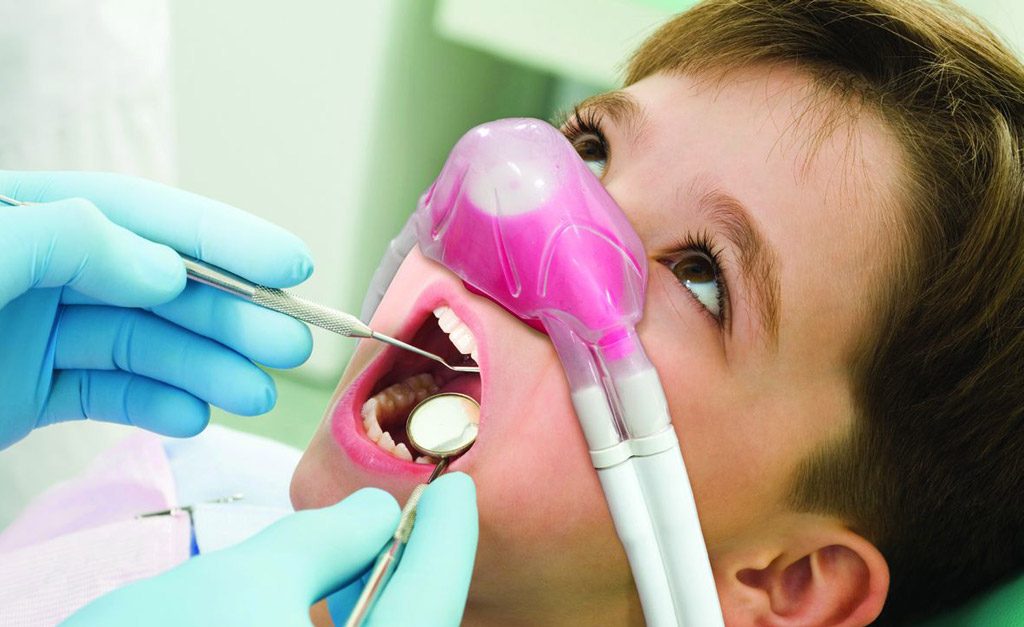
Nitrous oxide, sometimes called laughing gas, is one of the most frequently used options in pediatric dentistry. Your child breathes a carefully controlled mixture of nitrous oxide and oxygen through a small nasal mask.
The child remains awake and can usually respond to questions or instructions. Many children describe feeling warm, relaxed, light, or slightly tingly. Once treatment is finished, the nitrous oxide is stopped and the child breathes oxygen. Its effects generally wear off quickly.
Parents searching for a nitrous oxide dentist for kids in Arvada may find that this is the most affordable sedation option. The fee is often charged per appointment rather than according to each individual procedure.
Nitrous oxide may be suitable for a child with mild to moderate anxiety who can still communicate and cooperate. It may not be enough for a very young child, a child with severe fear, or a patient who needs a long or complicated procedure.
A stuffy nose can also make nitrous oxide difficult to use because the child must breathe through the nasal mask. Parents should tell the dental team if their child has a cold, nasal congestion, breathing concerns, or another recent illness.
What Does Oral Sedation Cost?
Oral sedation involves giving a child medication by mouth before treatment. The medication may help the child become calm, sleepy, or less aware of the procedure while still breathing independently.
The pediatric sedation dentistry cost for oral medication is typically higher than the cost of nitrous oxide. The appointment requires additional preparation, monitoring, recovery time, and staff resources. The exact fee depends on the medication, the length of the visit, and the child’s individual needs.
Parents receive specific eating and drinking instructions before an oral sedation appointment. These instructions are important for the child’s safety and must be followed exactly. The child will also need a responsible adult to drive them home and supervise them after the visit.
Some children remain awake and responsive with oral sedation, while others become quite sleepy. Responses can vary, which is one reason the pediatric dentist must carefully review the child’s age, weight, health history, medications, airway, and treatment needs before recommending this option.
What Does Deep Sedation or General Anesthesia Cost?
Deep sedation and general anesthesia are the most expensive options because they require advanced monitoring, specialized equipment, additional trained personnel, and a carefully managed recovery process.
Depending on the circumstances, treatment may take place in a dental office equipped for anesthesia, an outpatient surgical center, or a hospital. The anesthesia may be administered by a qualified dentist anesthesiologist, physician anesthesiologist, or another properly credentialed anesthesia professional.
General anesthesia may be considered when a child:
- Needs extensive dental treatment
- Is too young to cooperate safely
- Has severe dental fear or previous traumatic experiences
- Has medical, developmental, or sensory needs that make conventional treatment difficult
- Requires a procedure that cannot be completed safely with lighter sedation
- Would otherwise need numerous stressful appointments
The anesthesia fee may be based on the amount of time required. A case lasting 45 minutes will generally cost less than one lasting several hours. Facility fees may also apply when treatment is performed outside the dental office.
Although the initial price can be significant, completing several necessary procedures during one carefully planned appointment may be more practical than attempting treatment over numerous unsuccessful or emotionally difficult visits.
What Factors Affect the Final Price?
When parents ask how much dental sedation is for children in Colorado, the type of medication is only one part of the answer.
The total price may be affected by your child’s age, weight, health history, anxiety level, and ability to cooperate. The number of teeth requiring treatment also matters, as does the type of treatment being performed.
A short filling appointment usually requires less time and fewer resources than an appointment involving several crowns, pulp treatments, or extractions. Longer appointments can increase both the sedation fee and the dental treatment cost.
The treatment location matters as well. Office based care may have a different fee structure than treatment performed in a hospital or surgical facility. The participation of a separate anesthesia provider can add another professional fee.
Additional factors may include monitoring, medications, preoperative evaluations, recovery care, and follow up visits. A detailed estimate should make these charges as clear as possible before treatment begins.
Does Dental Insurance Cover Sedation for Children?
Dental insurance coverage for pediatric sedation varies considerably. Some plans may provide benefits when sedation is considered medically or behaviorally necessary. Other plans may exclude sedation entirely or only cover certain types.
Nitrous oxide is sometimes treated as an optional comfort service, even when it helps a child successfully complete treatment. Oral sedation, deep sedation, and general anesthesia may have different coverage requirements.
Medical insurance may occasionally help with hospital or anesthesia expenses when there is a documented medical necessity, although approval is not automatic. The dental procedures themselves may still be submitted to the dental plan.
Before the appointment, ask the practice for the applicable procedure codes and a written estimate. You may then contact the insurance company and ask:
- Is sedation covered for a child of this age?
- Does the plan require prior authorization?
- Is there a deductible or coinsurance amount?
- Are both the dental office and anesthesia provider in network?
- Are facility charges covered?
- Is there a waiting period or annual maximum?
Even when the office assists with benefit verification, the insurance company makes the final coverage decision. Benefit information is not always a guarantee of payment.
Is Dental Sedation Safe for Children?
Many parents search “is dental sedation safe for children” because they understandably want to know what risks are involved.
Sedation can be used safely when it is recommended appropriately, administered by qualified professionals, and supported by proper preparation, monitoring, equipment, and recovery protocols. However, no medication or medical procedure is entirely risk free.
Safety begins before the appointment. The dental team should review the child’s complete health history, current medications, allergies, previous reactions to anesthesia, recent illnesses, breathing concerns, and relevant medical conditions.
Parents should mention asthma, sleep apnea, enlarged tonsils, snoring, heart conditions, seizure disorders, premature birth, developmental conditions, and any family history of anesthesia complications. Even information that appears unrelated to dentistry may affect the sedation plan.
During treatment, the level of monitoring depends on the depth of sedation. The team may track oxygen levels, breathing, heart rate, blood pressure, and other vital signs. The child should remain under professional supervision until appropriate discharge criteria are met.
Parents also play a major role in safety. Follow all fasting instructions, medication directions, arrival times, and postoperative guidance exactly. Contact the office before the appointment if your child develops a fever, cough, congestion, vomiting, or another illness.
Is Pediatric Sedation Dentistry Worth the Cost?
For the right child and the right clinical situation, sedation can be extremely valuable.
Untreated tooth decay does not usually disappear on its own. It can progress into pain, infection, difficulty eating, sleep disruption, school absences, and damage to developing permanent teeth. Delaying necessary care because a child is unable to tolerate treatment may eventually result in more complicated and expensive procedures.
Sedation can allow a dentist to complete necessary care without forcing a frightened child through an overwhelming experience. It may reduce movement during delicate procedures, improve treatment efficiency, and lower the chance that an appointment must be stopped before the work is finished.
There may also be emotional value. A frightening or physically restrained dental experience can influence how a child feels about dentistry for years. When used appropriately, sedation can help protect the child from unnecessary distress and support a more positive relationship with future dental care.
That does not mean every nervous child needs sedation. Pediatric dentists also use communication, tell show do techniques, distraction, positive reinforcement, gradual exposure, and other behavior guidance methods. The least intensive option that can provide safe and effective treatment is generally preferred.
The question is not simply whether sedation is worth the money. A better question is whether sedation offers meaningful benefits for your child that are difficult to achieve through other reasonable approaches.
Can Treatment Be Completed Without Sedation?
Sometimes it can.
A child with mild nervousness may do very well with extra time, age appropriate explanations, breaks, distraction, and encouragement. Nitrous oxide may be used as a lighter alternative when more advanced sedation is unnecessary.
In some cases, treatment can be divided into shorter visits. This may reduce the amount of dental work completed at one time, although it also means more trips to the office and repeated exposure to local anesthetic and treatment.
However, several shorter visits are not always easier for a child. A very young or highly anxious patient may become more fearful with each appointment. Repeated incomplete visits may also allow decay to worsen while treatment is delayed.
The dentist must balance your child’s comfort with the urgency and complexity of the dental condition. Parents should feel comfortable asking why a particular option is being recommended and what alternatives are available.
Questions to Ask a Sedation Dentist for Kids in Wheat Ridge
Choosing a sedation dentist for kids in Wheat Ridge should involve more than comparing prices. Parents need to understand the treatment plan, the reason for sedation, and the safety procedures being used.
Ask what level of sedation is recommended and why. Find out who will administer the medication and who will monitor your child during the procedure. Ask about the provider’s training, the monitoring equipment, emergency preparation, and recovery process.
You should also ask what your child may experience before, during, and after treatment. Confirm eating and drinking instructions, transportation requirements, expected recovery time, and the symptoms that would require a call to the office.
Financial questions matter too. Request a written estimate showing the cost of sedation, dental treatment, anesthesia personnel, and facility charges. Ask whether treatment could be completed with another approach and how that alternative would affect the number of visits and total cost.
A trustworthy pediatric dental team should welcome reasonable questions and explain the recommendation without pressuring you.
Finding Kids Sedation Dentistry Near Me
When parents search for “kids sedation dentistry near me,” proximity is important, but it should not be the only consideration.
Look for a practice experienced in treating children and equipped to provide the recommended level of care. Pediatric focused offices are designed around children’s developmental, emotional, and behavioral needs.
The team should communicate clearly with parents, review the child’s medical history carefully, and provide written preoperative and postoperative instructions. Costs should be discussed before treatment whenever possible.
For families in Wheat Ridge, Arvada, and nearby Colorado communities, having a local pediatric dental home can also make follow up care easier. The dentist can monitor treated teeth, reinforce preventive habits, and help the child gradually become more comfortable with routine visits.
How to Make Sedation Dentistry More Affordable
Start by requesting a complete treatment estimate. Ask whether the recommended care must be completed immediately or whether it can be phased safely. In some cases, urgent treatment may be prioritized while less time sensitive care is scheduled later.
Review both dental and medical insurance benefits when appropriate. Flexible spending account and health savings account funds may also be used for eligible dental and sedation expenses.
Ask the dental practice about available payment arrangements or financing options. Spreading the cost into manageable payments may allow a child to receive needed treatment without a long delay.
Price matters, but choosing the least expensive option without considering safety, training, monitoring, and treatment quality can be a mistake. The goal should be to find an appropriate, clearly explained plan that protects both your child’s oral health and overall wellbeing.
Helping Your Child Prepare for a Sedation Appointment
Use calm, simple language when discussing the appointment. Avoid words that may create unnecessary fear, such as “shot,” “drill,” or “pain.” The pediatric dental team can provide age appropriate wording for explaining what will happen.
Do not promise that your child will feel absolutely nothing. Instead, reassure them that the dental team will work to keep them safe and comfortable.
Follow all food and drink restrictions precisely. Dress your child in comfortable clothing and bring any requested medical information. Plan for a quiet day afterward, particularly when oral sedation, deep sedation, or general anesthesia is used.
Your child may be sleepy, emotional, unsteady, or irritable after the appointment. Follow the discharge instructions and supervise them closely for the recommended period.
Talk With Kid Focus Dentistry About Your Child’s Options
The cost of pediatric dental sedation depends on the type of sedation, the amount of treatment, the length of the appointment, and your child’s individual needs. Nitrous oxide is typically the least expensive choice, while deep sedation and general anesthesia require a larger investment because of the advanced personnel, monitoring, and facilities involved.
Whether sedation is worth it depends on what it allows the dental team to accomplish. For a child who cannot otherwise receive necessary care safely or comfortably, sedation may prevent pain, stop disease from progressing, reduce emotional distress, and allow treatment to be completed efficiently.
Kid Focus Dentistry serves families in Wheat Ridge, Arvada, and surrounding Colorado communities. A personalized consultation can help you understand why sedation may or may not be recommended, what alternatives are available, and what the expected costs may be.
Rather than relying on a general online estimate, schedule an evaluation to receive a treatment plan based on your child’s oral health, medical history, age, comfort level, and specific dental needs.