

Kid Focus Dentistry | Pediatric Dentist in Wheat Ridge
If you are raising a child in Wheat Ridge, Arvada, or Lakewood, you already have a full calendar. School schedules, sports at Anderson Park, winter activities near Crown Hill, and everything in between. Dental visits can feel like one more item to manage. Still, a child’s oral health shapes how they eat, sleep, speak, and feel about themselves.
At Kid Focus Dentistry in Wheat Ridge, Colorado, we spend a lot of time answering parents’ questions about childrens dentistry. Below are five essential facts every parent should understand, especially if you are searching for a trusted Pediatric Dentist in Wheat Ridge.
1. Early Dental Visits Are Crucial
Many parents are surprised to learn that a child’s first dental visit should happen by age 1, or within six months of the first tooth coming in. That recommendation comes from the American Academy of Pediatric Dentistry, and it is based on decades of research on early childhood cavities.
Early Dental Visits Are Crucial for several reasons.
First, baby teeth matter more than most people realize. They hold space for adult teeth, guide jaw development, and help with speech. If a baby tooth develops a cavity and is lost too soon, neighboring teeth can drift. That can lead to crowding later, and sometimes orthodontic treatment that could have been minimized.
Second, tooth decay can start earlier than you think. We regularly see toddlers with cavities on their front teeth, often related to frequent juice, milk at bedtime, or prolonged bottle use. Catching early signs of enamel changes at a young age allows for simple preventive steps rather than more involved treatment later.
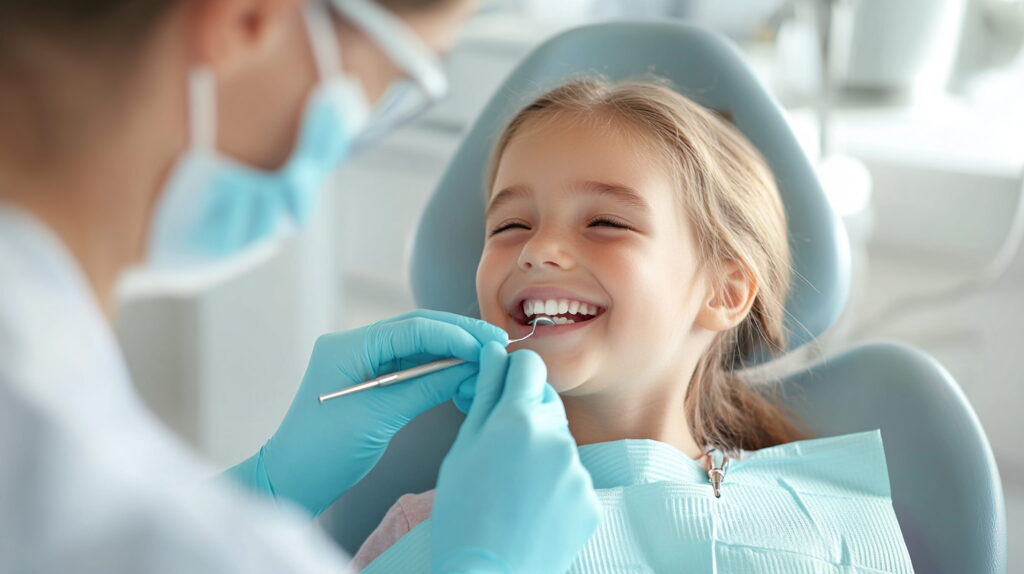
Third, early visits help your child get comfortable in a dental setting. A one-year-old appointment is usually short and gentle. It often involves a knee-to-knee exam, a quick look at the teeth and gums, and a conversation with you about brushing, teething, and habits. When children grow up seeing the dentist as a normal part of life, they are less likely to develop dental anxiety.
If you are looking for a Pediatric Dentist in Wheat Ridge, starting early allows your family to build a relationship with one team rather than switching providers later. Familiar faces and a consistent routine make a noticeable difference by the time kindergarten begins.
2. Dental Hygiene Habits Should Start at Home
Professional care matters, but daily routines at home have the biggest impact on your child’s oral health. Dental Hygiene Habits Should Start at Home, even before the first tooth appears.
Before teeth erupt, you can gently wipe your baby’s gums with a clean, damp cloth after feedings. Once the first tooth comes in, switch to a soft-bristled infant toothbrush and a smear of fluoride toothpaste about the size of a grain of rice. Around age 3, most children can use a pea-sized amount.
Parents often ask when kids can brush on their own. A helpful rule is this: if your child cannot tie their own shoes, they probably need help brushing. Most children need supervision until about age 6 or 7. Even then, a quick check by a parent can make sure no spots are missed.
Brushing twice a day is important, but technique also matters. Small circles along the gumline, gentle pressure, and brushing the tongue can make a difference. Flossing should begin when two teeth touch. That might happen as early as age 2 or 3, depending on your child’s spacing.
Consistency is key. A predictable routine, brushing after breakfast and before bed, helps children see dental care as a normal part of the day. Some Wheat Ridge parents tell us they set a two-minute timer or play the same song each night. Simple rituals often work better than long lectures.
When families in 80033 or nearby 80002 come in for checkups, we tailor home-care tips to the child’s age and risk level. For example, a child with early enamel spots may benefit from fluoride varnish during visits and more frequent monitoring. Personalized guidance can prevent small concerns from becoming bigger ones.
3. Common Dental Issues and How to Prevent Them
Cavities are the most common chronic childhood condition in the United States. Still, they are only one part of the picture. Understanding Common Dental Issues and How to Prevent Them helps parents take proactive steps.
Tooth Decay
Cavities develop when bacteria in the mouth feed on sugars and produce acids that weaken enamel. Frequent snacking, sipping sweet drinks, and inconsistent brushing increase the risk. Preventive steps include fluoride toothpaste, routine dental visits every six months, and limiting sugary beverages.
Early Orthodontic Concerns
Thumb sucking and prolonged pacifier use can affect bite development if they continue beyond age 3 or 4. While many habits resolve on their own, persistent sucking can contribute to an open bite or crossbite. Early evaluation allows a pediatric dentist to monitor growth and recommend guidance at the right time.
Dental Injuries
Active kids sometimes experience chipped or knocked-out teeth. Whether your child plays soccer at a Wheat Ridge park or rides a bike along Clear Creek Trail, accidents happen. A custom mouthguard can lower the risk of sports-related dental injuries. If a permanent tooth is knocked out, quick action is critical. Place it in milk and contact your dentist immediately.
Gum Inflammation
Bleeding gums in children are often linked to plaque buildup along the gumline. Improved brushing and flossing usually resolve mild gingivitis. Regular cleanings help remove hardened buildup that brushing alone cannot address.
Each of these concerns highlights why routine visits matter. A Pediatric Dentist in Wheat Ridge can track changes over time, compare growth patterns, and identify concerns that may not be obvious at home.
4. The Role of Diet in Childrens Dentistry
Parents in Colorado often focus on healthy eating, and for good reason. The Role of Diet in Childrens Dentistry is significant, especially during early years when enamel is still developing.
Frequent exposure to sugar is more harmful than the total amount consumed. A child who sips juice throughout the afternoon exposes their teeth to repeated acid attacks. In contrast, having a small treat with a meal is less risky because saliva production increases during meals and helps neutralize acids.
Water is one of the best choices for your child’s teeth. Wheat Ridge and the broader Jefferson County area benefit from fluoridated community water, which supports enamel strength. Encouraging your child to drink tap water instead of sports drinks or soda can reduce cavity risk.
Sticky snacks deserve special attention. Foods like fruit snacks, chewy granola bars, and caramel can cling to grooves in molars. If your child eats these, brushing soon after or rinsing with water can help.
Balanced meals that include calcium-rich foods such as yogurt, cheese, and leafy greens support strong teeth and bones. Crunchy fruits and vegetables like apples and carrots can also stimulate saliva flow, which naturally helps cleanse the mouth.
We often talk with parents about realistic changes. You do not need to eliminate every sweet treat. Instead, focus on timing, frequency, and good oral hygiene afterward. Small shifts, such as replacing a bedtime cup of juice with water, can have a measurable impact over time.
5. Emotional and Behavioral Benefits of Children’s Dentistry
Dental care is not only about teeth. Emotional and Behavioral Benefits of children’s dentistry often shape a child’s long-term relationship with healthcare.
Children who feel safe and respected during appointments are more likely to cooperate and communicate openly. Positive early experiences can reduce anxiety in adolescence and adulthood. On the other hand, a stressful or painful first visit can create lasting fear.
A pediatric-focused environment is designed with this in mind. Child-friendly language, age-appropriate explanations, and a calm pace all help. Instead of technical terms, we might describe a cleaning as “counting and polishing your teeth.” Small adjustments in wording can make a big difference.
Behavior guidance techniques are also tailored by age. A 3-year-old may respond well to show-and-tell methods. A 10-year-old might appreciate a more detailed explanation of how braces could fit into their future. Understanding developmental stages allows dental teams to adjust their approach.
There is also a confidence component. Children who are not embarrassed by cavities, bad breath, or visible plaque often smile more freely at school and in photos. Oral health can influence social interactions, speech clarity, and self-esteem.
For families in Wheat Ridge, building that positive relationship locally matters. Seeing the same Pediatric Dentist in Wheat Ridge over several years fosters familiarity and trust. When children know what to expect, they are more likely to sit comfortably and follow instructions.
What This Means for Families in Wheat Ridge
If you live near 38th Avenue, Kipling Street, or anywhere in Jefferson County, access to preventive pediatric dental care is close to home. Scheduling regular visits twice a year, starting by age 1, creates a foundation that supports healthy growth.
Early Dental Visits Are Crucial, but they are only one part of the equation. Dental Hygiene Habits Should Start at Home. Understanding Common Dental Issues and How to Prevent Them empowers you to act early. Paying attention to The Role of Diet in Childrens Dentistry supports strong enamel. And recognizing the Emotional and Behavioral Benefits of Childrens Dentistry helps your child grow up without fear of the dental chair.
At Kid Focus Dentistry, our goal is to partner with parents, not overwhelm them. We take time to explain what we see, answer questions about brushing or thumb sucking, and offer practical steps that fit your family’s routine.
If you are searching for a Pediatric Dentist in Wheat Ridge who understands both the clinical and emotional side of childrens dentistry, we invite you to schedule a visit. Call our Wheat Ridge office to book your child’s appointment and take the next step toward a healthy, confident smile.